How to Choose the Right Infant Care in Jurong East

Choosing the right infant care is one of the biggest decisions for new parents. You’re trusting a centre with your baby’s earliest experiences, routines and development. You want to be sure they are in warm, capable hands. If you’re exploring infant care options in Jurong East, here are the key things to look out for.

1. A caring and trained team

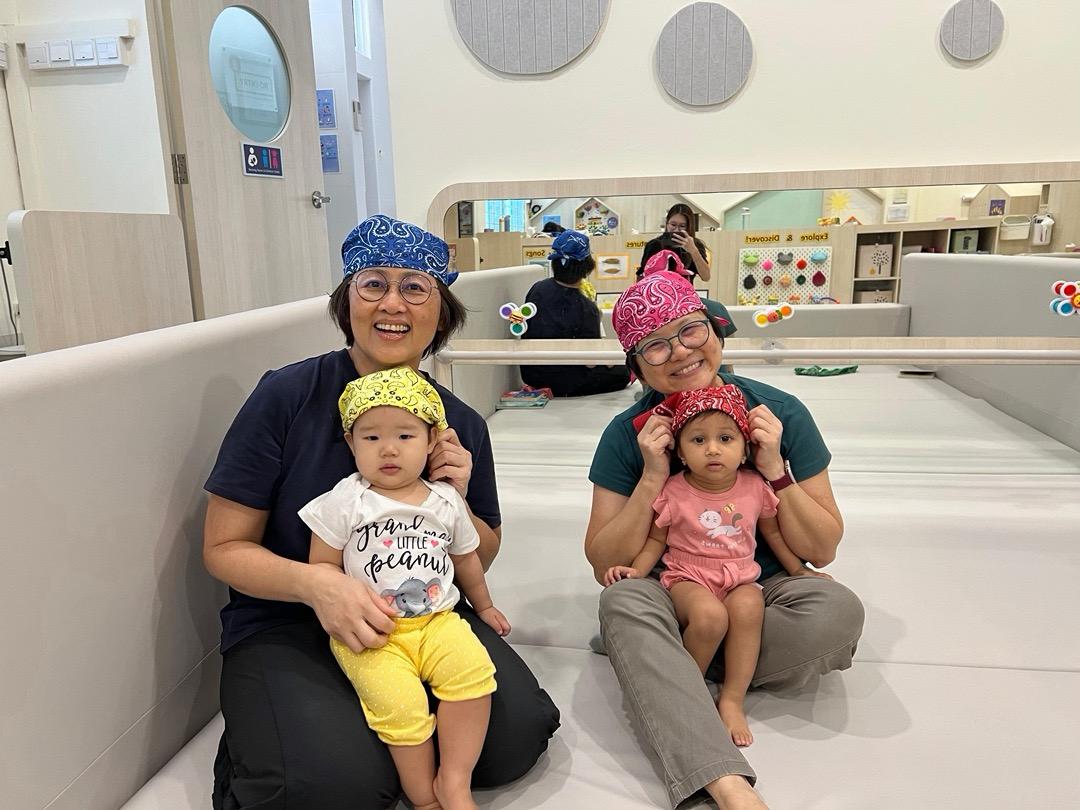
Your child’s caregivers shape how safe and secure they feel each day. Look for infant educarers who are not only qualified, but genuinely warm, responsive and attentive to each baby’s cues. At Adventist Schoolhouse, our infant team is known for treating every child like family, building strong emotional bonds from the very first day.
2. Clean, safe and baby-friendly spaces

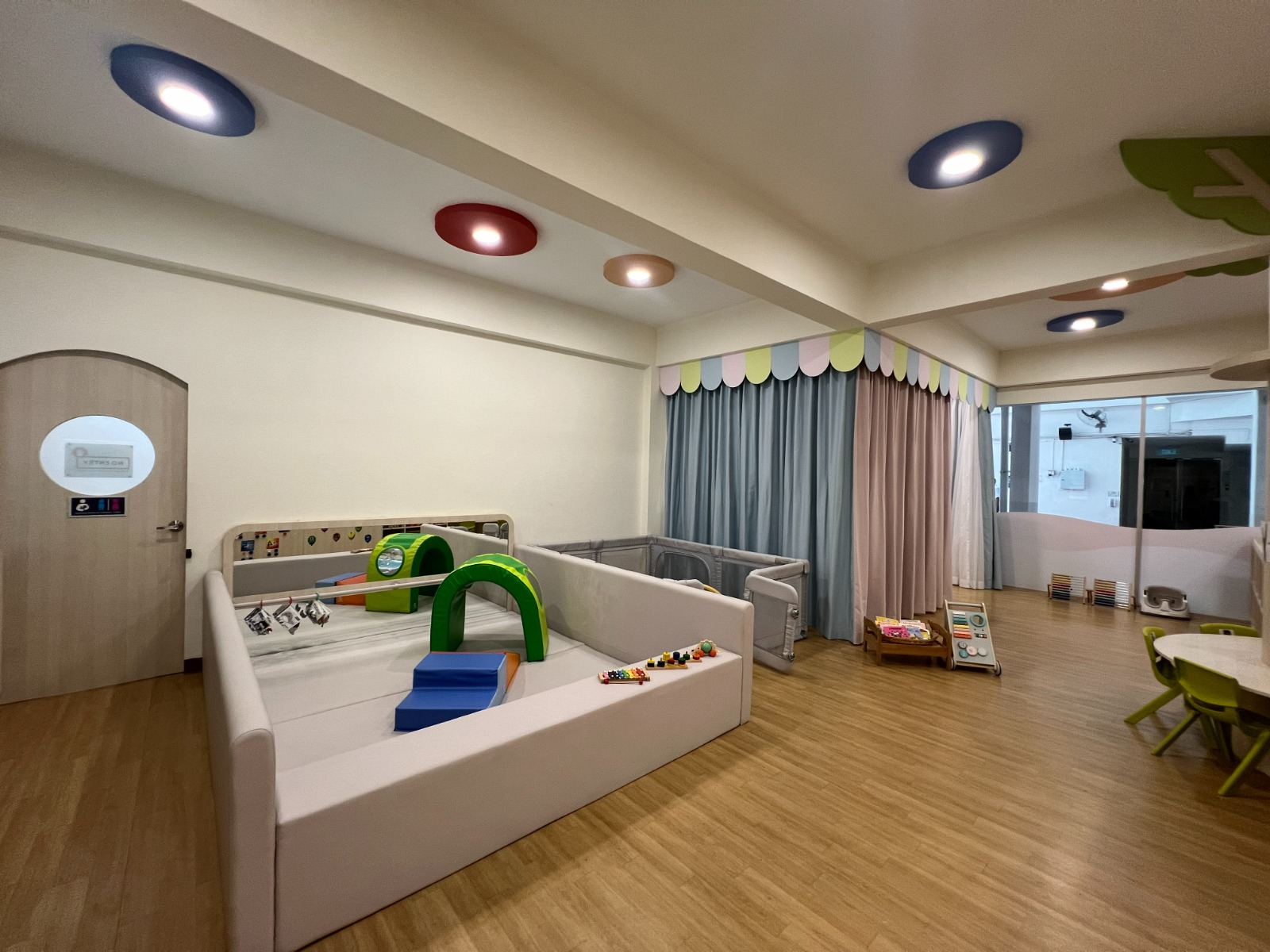
Safety and hygiene are non-negotiable. Infant rooms should be spacious, clean, and thoughtfully organised. A good centre has clear routines for sanitising, safe sleep and age-appropriate equipment. ASH’s infant environment is designed to feel calm and cosy, supporting secure attachment while giving babies the space to explore safely.
3. Personalised routines that follow your baby

Every baby is unique. The best infant care centres follow parents’ preferred routines for feeding, napping and soothing. This ensures a smooth transition from home to school. ASH works closely with each family so babies feel comforted, understood and supported throughout the day.

4. Strong communication with parents

Daily updates matter. Parents want to know how their baby slept, fed and played. Choose a centre that values open communication and keeps you connected to your child’s day. At ASH, our educators share timely updates and photos so you never miss a milestone.
5. A nurturing early-learning environment

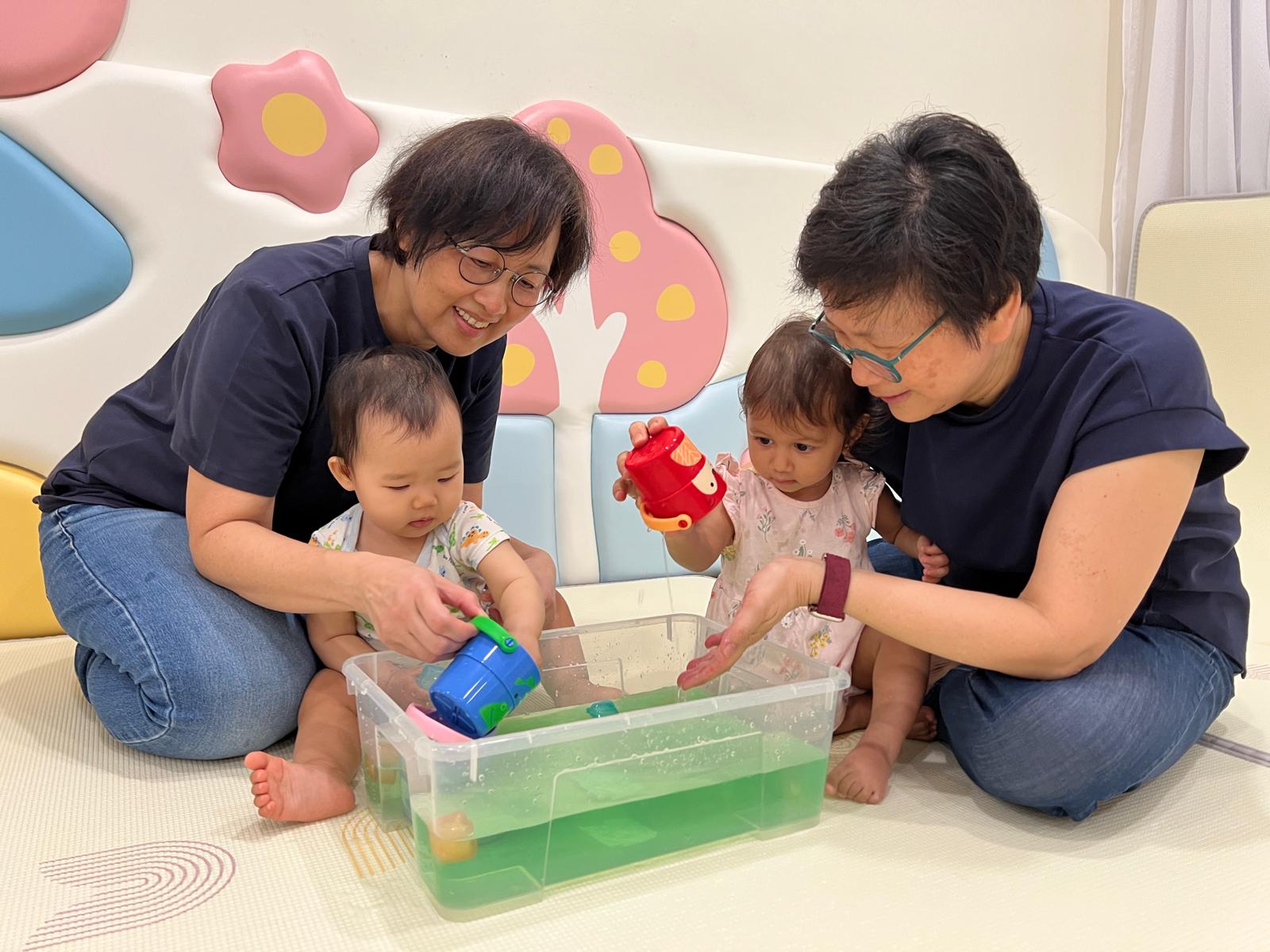
Even from infancy, babies learn through touch, movement sound and bonding. The right infant care offers purposeful sensory activities that build early curiosity and motor skills. ASH’s infant curriculum focuses on holistic development—heart, mind and body—through warm interactions and play-based experiences.
Why ASH Stands Out in Jurong East

Many parents choose Adventist Schoolhouse because of one thing: our heart for children. As Jurong East’s trusted infant care provider, we offer a safe, loving environment where babies thrive and where parents have complete peace of mind.

If you’re looking for infant care that feels like family, ASH is here to welcome you.

You may contact us at T: (65) 6562 4932 or Whatsapp only: (65) 8790 3052 for any inquiries!
Spot It, Stop It: A Parent’s Guide to HFMD

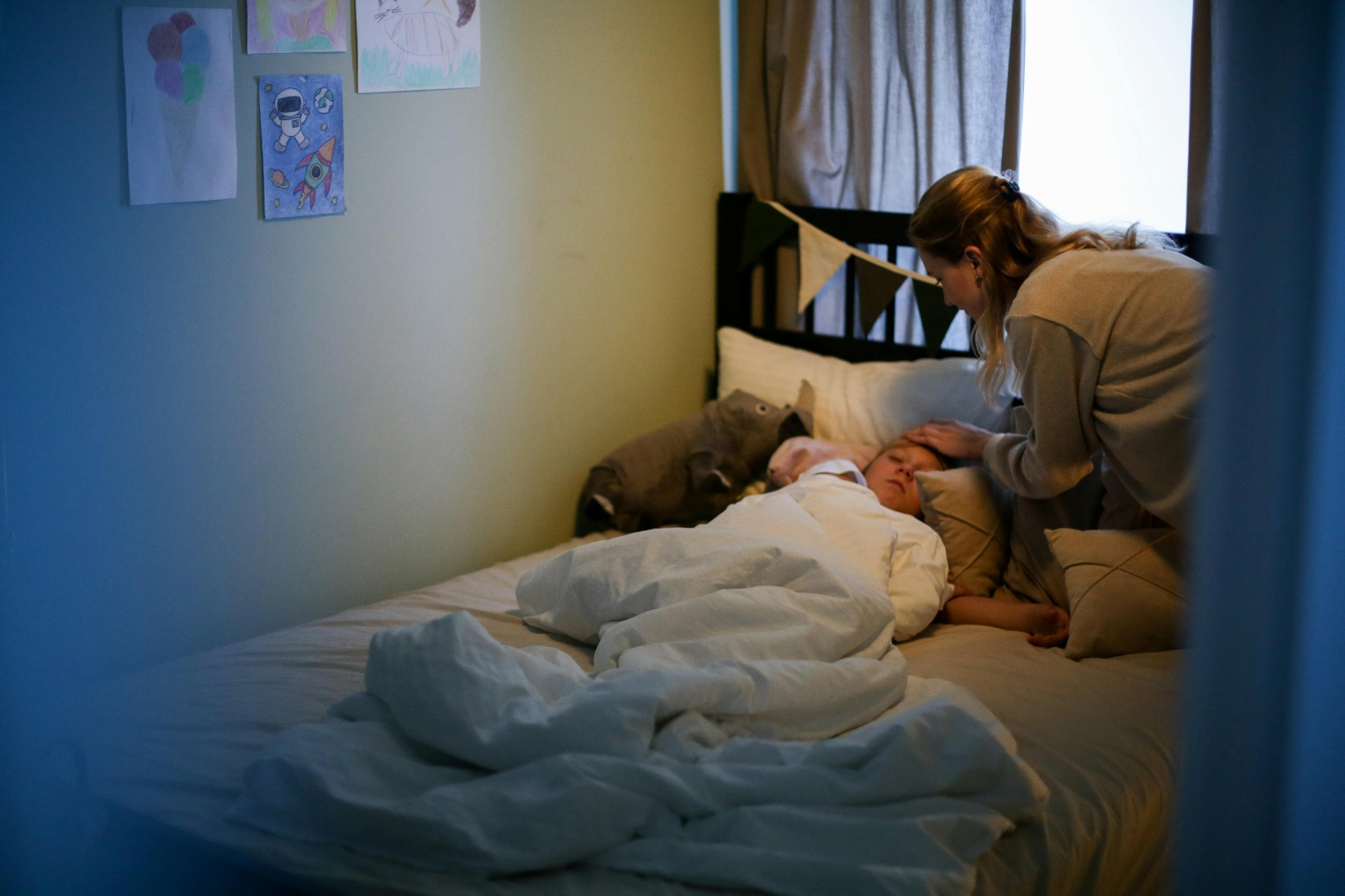
At Adventist Schoolhouse, the health and safety of our children is always a top priority. As parents, we know how worrying it can be when illnesses like Hand, Foot and Mouth Disease (HFMD) start making the rounds. The good news is that with a little awareness and care, we can spot the signs early and help keep our children (and their friends) healthy.

What to Look Out For

HFMD is most common in young children, and symptoms usually show up a few days after infection. You may notice:

  • A sudden fever that’s hard to explain.

  • Mouth ulcers that make eating or drinking uncomfortable.

  • Small red spots or blisters on the hands, feet or buttocks.

  • Your child feeling more tired, cranky or eating less than usual.

Most cases are mild and clear up within a week to 10 days. Still, if your child has a high fever that won’t go down, refuses fluids or seems very drowsy, it’s best to see a doctor right away.

How to Help Prevent It

HFMD spreads easily among children, especially in schools and playgrounds. Here are some parent-approved tips:

  • Encourage regular handwashing with soap, especially before meals and after the toilet.

  • Wipe down toys and high-touch surfaces often.

  • Remind children not to share cups, cutlery or towels.

  • Keep your child home to rest if they’re unwell — this helps them recover and protects their classmates.

Together as a Community

Illnesses like HFMD can feel overwhelming, but we’re not alone. By staying alert to the symptoms and practicing simple hygiene at home, we can keep our little ones safer and healthier. At Adventist Schoolhouse, we believe in caring for one another as a community — and that includes protecting each child’s wellbeing.

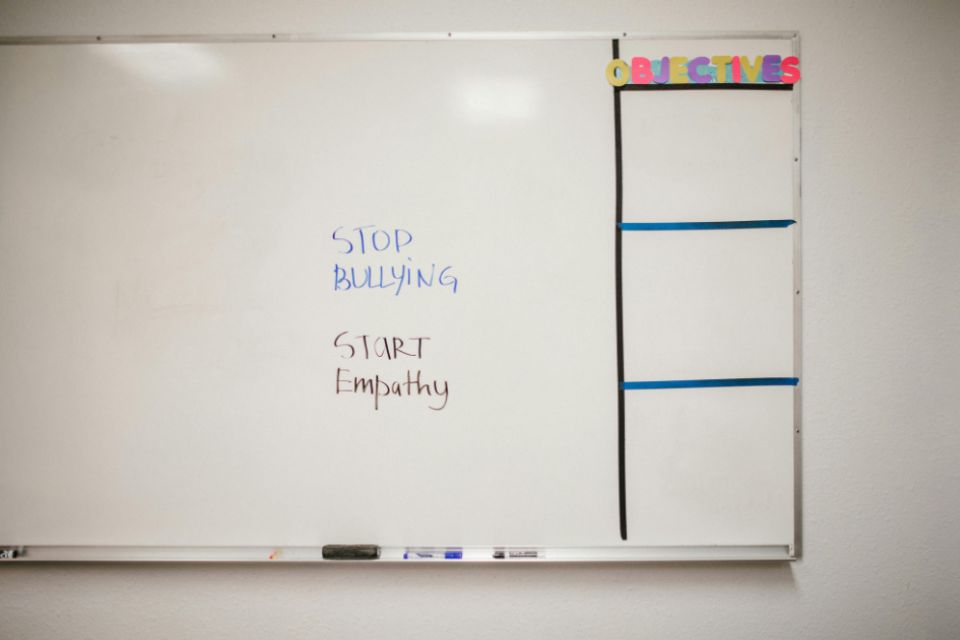
Brave Hearts Against Bullying

As our K2 children get ready to take their next big step into Primary School, parents may feel both excited and a little concerned. One common worry is how children will cope with challenges such as bullying, especially in a larger school setting. With your guidance, your child can enter this new chapter feeling confident and supported.

The first step is to talk openly. Let your child know that it is okay to share if someone is unkind to them. Reassure them that bullying is never their fault and that they can always turn to you or a trusted teacher for help.

At home, you can also build your child’s confidence by practising simple responses. Role-play scenarios where your child learns to say “Stop, that’s not kind” or to walk away and look for a teacher. These little rehearsals can give them the courage to respond calmly in real-life situations.

Staying connected with the school is also important. Teachers and parents working hand in hand can ensure that any issues are addressed quickly and positively, so your child feels safe and cared for. At Adventist Schoolhouse, we believe in nurturing both hearts and minds, equipping our children not only with knowledge but also with the social and emotional skills they need to thrive as they move on to Primary School.

Finally, keep an eye on your child’s emotions during this transition. Offer encouragement, celebrate their small successes and remind them that they are loved and capable.

With your support and the strong foundation built at Adventist Schoolhouse, your K2 child will not only be ready to face new challenges but also to grow into a kind and resilient Primary School student.

P1-nomenal Beginnings!

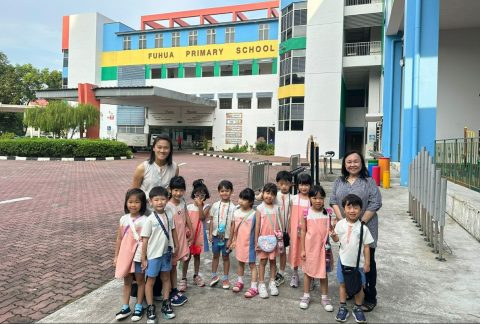
The move from preschool to Primary One is a major milestone for both children and their parents. In Singapore, this transition is more than just a change in environment, it’s a season of growth. At Adventist Schoolhouse in Jurong East, where many families have found a trusted preschool partner, this journey begins with warmth, care and intention.

  1. Foster Independence

Primary One students need to manage their belongings, buy food and follow a timetable. Help your child build confidence by packing their own bag, managing time and role-playing school routines at home.

  1. Set Routines Early

Having regular wake-up, meal and bedtime routines gives children a sense of security. Start these habits early to ease the transition into school life.

  1. Build Strong Foundations

Basic literacy and numeracy skills can boost your child’s confidence. Read together, count money, or practise telling time through fun, everyday activities.

  1. Get Familiar with School

Attend school orientation sessions and talk about what to expect. Sharing your own school experiences can make your child feel more excited and less anxious.

  1. Stay Involved

Tap into resources like MOE’s Parent Kit or Schoolbag.sg for helpful tips. Stay in touch with teachers to support your child’s progress along the way.

  1. How Adventist Schoolhouse Prepares Children

At Adventist Schoolhouse, we guide K2 students gently towards Primary One with structured routines and classroom-like experiences. Our Take-Home Packs promote parent-child learning, while our caring teachers focus on both academic and emotional readiness — giving children a strong start, from tiny shoes to big steps.

  1. Support Their Emotions

It’s natural for children to feel nervous. Reassure them, celebrate small wins and focus on effort to help build resilience and self-esteem.

With patience, preparation and the support of a nurturing preschool, the transition to Primary One can be an exciting first step into lifelong learning!

The Magic of Outdoor Play

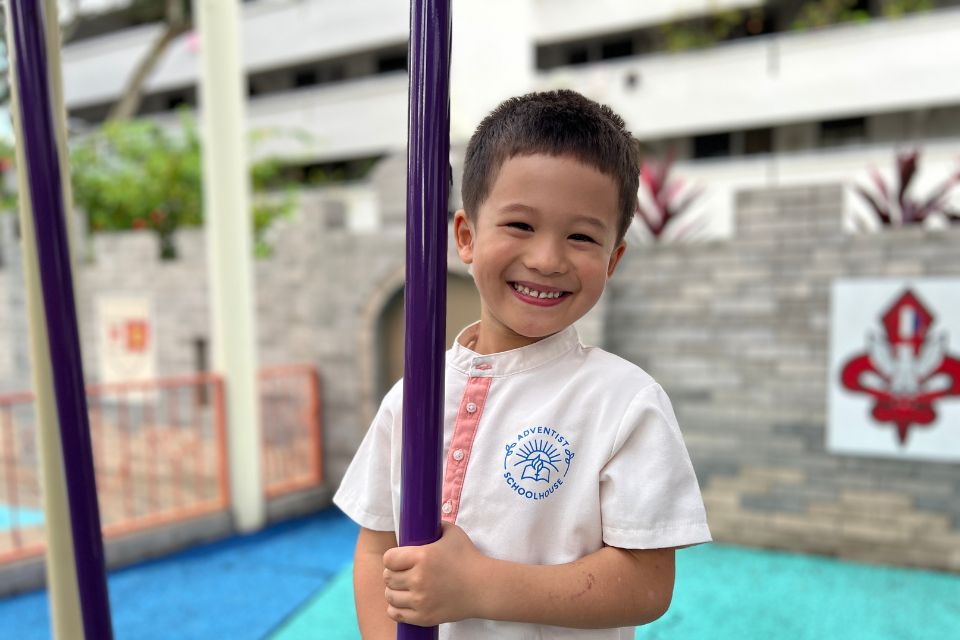
In a world filled with screens and structured routines, outdoor play remains one of the most powerful ways to support a child’s development. At Adventist Schoolhouse, we believe in the value of nature and movement—and make it a top priority with two outdoor play sessions daily in spaces like our playground, wading pool, butterfly garden and nature trail.

Why Outdoor Play Matters

Boosts Physical Health
Active play strengthens muscles, improves coordination and builds immunity. Whether it’s climbing, running or splashing in the pool, outdoor activities help children grow strong and stay healthy.

Encourages Social and Emotional Growth
Playing outside teaches children how to work together, solve problems and manage emotions. These natural interactions build resilience, reduce stress and promote positive relationships.

Fuels Creativity and Curiosity
Nature sparks imagination. Observing butterflies or exploring a nature trail invites children to ask questions, make discoveries and think creatively.

Builds Confidence and Independence
Trying new things outdoors—like balancing on a log or leading a group game—helps children develop self-esteem and decision-making skills.

Promotes Better Sleep and Habits
Time spent moving outdoors helps children sleep better and develop active, healthy routines that can last a lifetime.

At Adventist Schoolhouse, outdoor play is a part of our holistic learning approach. Through daily interaction with nature, children grow not only academically, but physically, socially and emotionally.

Want your child to thrive in a natural, nurturing environment?
Visit Adventist Schoolhouse and experience how outdoor play helps children grow in every way.


From Germy to Mighty!

When searching for the ‘Top Preschool in Jurong East’, it’s important to consider not only academics but also health and well-being. Preschool education plays a vital role in shaping a child’s overall well-being, including building healthy habits. A strong immune system helps children stay healthy and ready to learn.

  1. Prioritize a Nutrient-Rich Diet

A well-balanced diet strengthens the immune system. Ensure your child consumes:

  • Fruits and Vegetables: Packed with essential vitamins and antioxidants.
  • Proteins: Supports cell repair and immune function.
  • Whole Grains: Provides fibre and essential nutrients.
  • Healthy Fats: Found in nuts, seeds, and fish to regulate immune responses.
  1. Encourage Good Hygiene Practices

Teaching good hygiene prevents the spread of germs. Remind your child to:

  • Wash hands with soap and water regularly.
  • Avoid touching their face frequently.
  • Cover coughs and sneezes properly.
  • Keep personal items separate.
  1. Ensure Adequate Sleep

Sleep is essential for immune function. Preschoolers need 10-13 hours, while school-age children require 9-12 hours per night. A consistent bedtime routine helps improve sleep quality.

  1. Encourage Physical Activity

Regular exercise enhances immunity by improving circulation and reducing stress. Encourage active play and outdoor activities.

  1. Keep Vaccinations Up to Date

Follow the recommended immunization schedule and consult your paediatrician for any necessary booster shots.

  1. Stay Hydrated

Proper hydration supports overall health. Encourage your child to drink plenty of water daily and limit sugary drinks.

  1. How Adventist Schoolhouse Supports a Healthy Environment

At Adventist Schoolhouse, we work closely with parents to ensure a clean and safe learning space. Our measures include:

  • Regular Sanitization: High-touch surfaces and classrooms are disinfected frequently.
  • Hygiene Education: Children are taught proper handwashing and personal hygiene habits.
  • Healthy Meal Plans: Nutritious meals and snacks are provided to support immune health.
  • Outdoor Play & Exercise: Structured physical activities help keep children active and strong.
  • Health Monitoring: We conduct routine health checks to prevent the spread of illnesses.

By working together, we can create a healthy and supportive environment where children can thrive and learn safely.

You’ve Got This: Making Drop-Offs Easier


Starting preschool is a big milestone for both children and parents. Preschool education plays a crucial role in a child’s early development, but the transition can sometimes bring about separation anxiety. Understanding this common emotional response and how to ease the adjustment can make a world of difference.

At Adventist Schoolhouse, we understand these concerns and are committed to providing a warm and nurturing environment to help children adjust with ease.

What Is Separation Anxiety?

Separation anxiety is the fear or distress children experience when apart from parents or caregivers. It is a normal stage of development and often appears when children start preschool.

Why Do Preschoolers Experience Separation Anxiety?

Common reasons include:

  • Fear of the Unknown: New faces and routines can feel overwhelming.
  • Strong Attachment: Leaving familiar caregivers can be unsettling.
  • Lack of Familiarity: Adjusting to new surroundings takes time.

Signs of Separation Anxiety

  • Crying or tantrums at drop-off
  • Clinging to parents
  • Refusing to enter the classroom
  • Sleep disturbances or nightmares

How Parents Can Help

  1. Talk About School Positively

Create excitement about school by discussing fun activities and making it an adventure.

  1. Visit the Preschool

Familiarizing your child with the environment beforehand can ease their fears.

  1. Establish a Goodbye Routine

A short, reassuring goodbye (hug, handshake, or phrase) helps children feel secure.

  1. Be Patient and Consistent

Adjustment takes time—stay calm, reassuring, and stick to routines.

  1. Avoid Sneaking Away

Always say goodbye to build trust and reassure them you will return.


How Adventist Schoolhouse Supports Separation Anxiety

At Adventist Schoolhouse, we provide:

  • Parent Accompanied Program to ease transitions
  • Engaging Activities that keep children happily occupied
  • Caring Teachers who provide comfort and reassurance
  • Structured Routines that help children feel secure
  • Open Parent Communication to keep you updated on your child’s progress


Conclusion

Separation anxiety is natural and temporary, but parents play a crucial role in easing the transition. With support, reassurance, and consistency, children can build confidence and embrace their preschool experience with excitement. At Adventist Schoolhouse, we are here to partner with families in making the preschool journey a smooth and joyful one.


Schedule a Visit

Want to know more or see what else we have to offer? Visit us and we’ll show you around!